surgical
Starts from
₹26,250
per session
Sessions
Mild concerns: 1–3 fractional sessions; deep scarring may need a series or combination approach
recommended
Duration
120 min
per visit
Recovery
Minimal
downtime
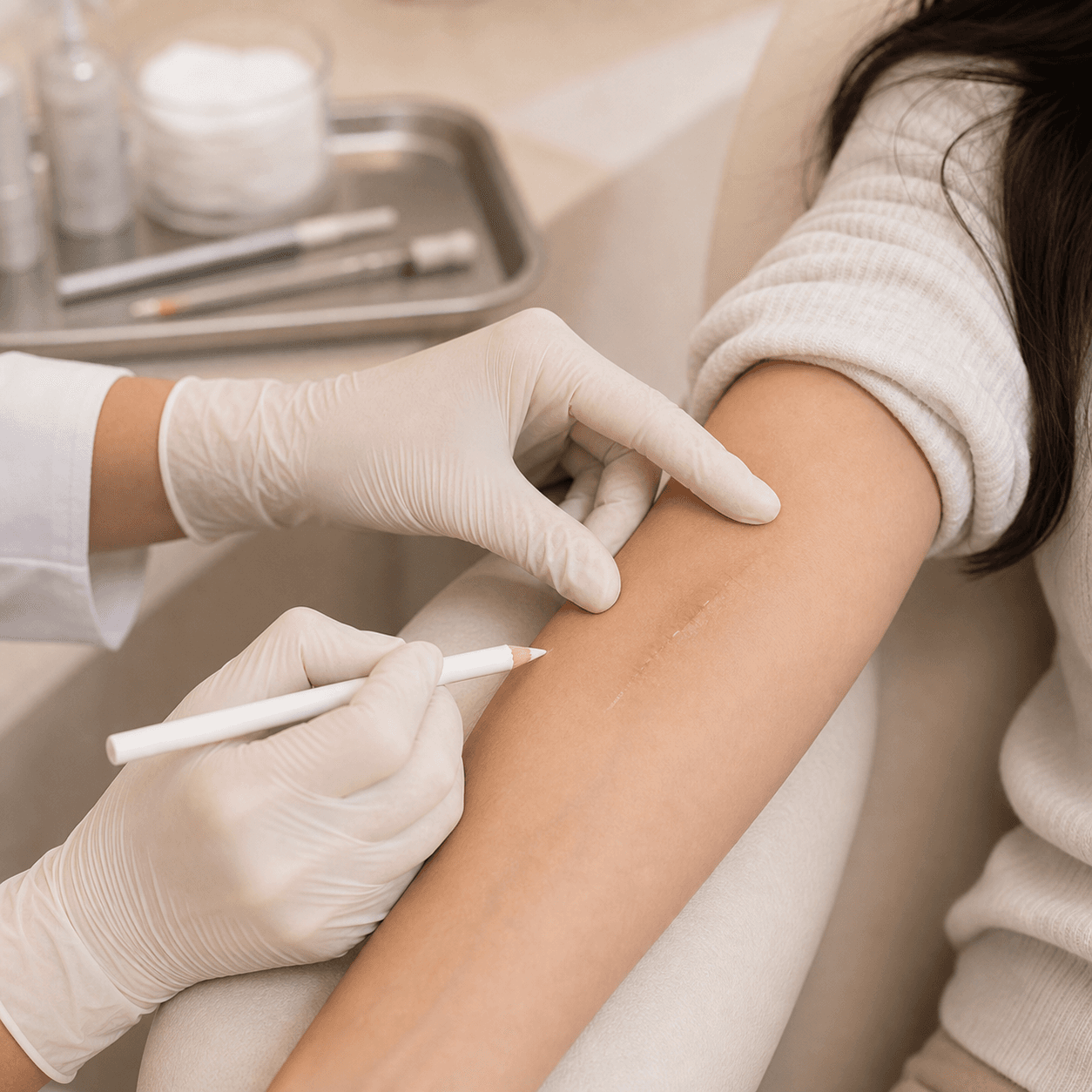
Skin Grafting (LA) removes or fractionally ablates damaged skin on the treated area to improve deep wrinkles, acne scars, and sun-related texture change. AesthatiQ partner clinics calibrate ablative depth, fractionated density, and downtime tolerance after examining scar type and skin recovery history. Collagen remodeling continues for months — early redness and peeling are expected parts of the process.
Skin Grafting (LA) is performed by trained clinicians using clinically validated protocols. The plan is customised to your goals, anatomy, and recovery preferences after a detailed assessment.
Those with moderate acne scarring, deep wrinkles, or sun damage on the treated area who accept downtime
Candidates with realistic expectations about staged healing and multiple sessions for severe scarring
People able to commit to strict post-procedure sun avoidance and wound care
Generally healthy, non-smoking skin without active infection or recent isotretinoin without clearance
Timelines vary by person. For Skin Grafting (LA), visible change is typically expected around: Surface healing in 1–2 weeks; collagen-driven tightening and scar softening peak around 3–6 months.
Day 0–2
the treated area is red, oozing, or grid-marked — strict wound care begins
Day 3–7
Peeling and crusting; keep skin moist with prescribed ointments
2 weeks
Most surface healing complete; pinkness may persist
3 months
Collagen remodeling visibly improves scars and fine lines
Topical and nerve blocks are commonly used; fractional treatments feel hot during passes, with soreness for days after.
Light fractional plans may need 2–3 visits; deep scars or ablative full resurfacing is often one intensive treatment or a staged plan.
Structural improvements can last many years; ongoing SPF and skincare help preserve collagen gains.
Ranges from several days of redness for fractional work to up to two weeks for deeper ablative recovery.
Real explainers and patient stories